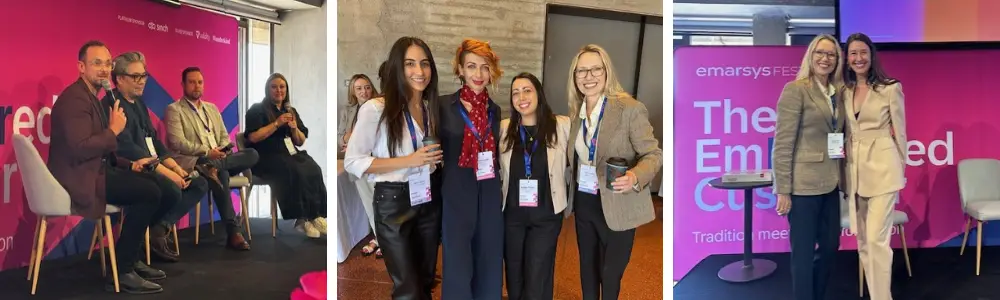
The Emarsys “Power to the Marketer” event at the Sydney Opera House was an experience to remember. Picture the iconic Opera House, filled with industry leaders, innovators, and marketing professionals—all focused on the future of customer experience. It wasn’t just another conference; it was a day of honest discussions about what customers actually want and how brands can truly step up to meet those needs. Key themes included loyalty that’s grounded in genuine value, balancing data privacy with personalisation, and creating a seamless experience across every channel. The central message was clear: when you put the customer at the heart of every strategy, long-term growth, loyalty, and trust naturally follow.
From insightful panels to in-depth discussions, the event delivered meaningful takeaways. Among them were these key points: customer ownership is essential for building trust, data-driven personalisation deepens engagement (but must be balanced with privacy), and customers now expect a unified journey across all channels.
The topic of customer ownership came up in my firechat with Silvana Tagand, who asked, “Who should really own the customer experience?” It’s a question most brands and businesses struggle to answer. While many say that “everyone” owns the customer, few define this responsibility clearly, and without that structure, the experience can become scattered. I’ve thought a lot about what true customer ownership means—and it comes down to having clearly defined roles and accountability. That’s why I’m exploring it here, to show how a dedicated approach to ownership can transform the customer journey from fragmented to seamless.
What Does “Customer Ownership” Really Mean?
Customer ownership isn’t about who sends emails or answers calls. To truly own the customer experience, you need a single, dedicated “customer custodian.” This isn’t about adding more layers; it’s about creating a consistent, meaningful journey that feels personal at every stage. Think of the custodian as the guide who tracks the customer’s path, smooths out the bumps, and connects the dots across departments.
One of my biggest “aha” moments around customer ownership came from reading Jeff Bezos’s letters to Amazon shareholders. Bezos famously said, “We’re not competitor-obsessed; we’re customer-obsessed. We start with the customer and work backwards.” That statement changed everything for me. Instead of watching competitors, Amazon focused solely on what customers wanted, making it easier to meet and exceed those needs. Its why Amazon built things like one-click checkout and Prime’s fast delivery. This intense focus on customer ownership is a big reason why they’re industry leaders in loyalty and retention.
Zappos also set a high standard for customer ownership. Tony Hsieh’s book, Delivering Happiness, showed me that great service isn’t about transactions; it’s about building genuine relationships. I’ll never forget the story of a Zappos customer who called to return shoes after her mother passed away. Zappos not only refunded her purchase but sent flowers the next day. This wasn’t just service; it was true empathy in action, and it built lasting loyalty.
The Cost of No Ownership
When no one truly owns the customer journey, you lose loyalty, revenue, and opportunity. McKinsey reports that companies with personalised journeys can boost customer lifetime value (CLV) by up to 20%. Meanwhile, Forrester found that while 70% of customers expect consistency across channels, only 29% feel they actually get it. Without clear ownership, these gaps widen. Data gets stuck in silos, insights get missed, and customers sense the disconnect. As Bill Gates once said, “Your most unhappy customers are your greatest source of learning.” But without someone tracking the journey end-to-end, you miss out on this valuable feedback and lose the chance to improve.
Who Should Own the Customer?
The answer is simple: one dedicated person or team needs to take charge of the customer journey. But as we all know, simple ideas aren’t always easy to put into practice. In my view, the Chief Customer Officer (CCO) should report directly to the CEO. Why? Because only the CEO has the authority to align the entire roadmap around the customer, prioritising their needs above internal agendas. When you have a single lead empowered to connect the dots, each department can focus on its role, and the journey itself stays consistent and seamless.
If you want more insights on structuring effective customer ownership, I recommend listening to One to One Leadership Conversations podcast, especially the latest episode with Damian Madden.
The Role of Technology in Customer Ownership
A Chief Customer Officer (CCO) can’t rely solely on team alignment—they need the right technology to bring everything together. Customer experience platforms like Emarsys, among others, give brands the tools to track, personalise, and engage with customers on a large scale. With this visibility, the CCO can identify gaps, prioritise needs, and refine the journey in real time.
A strong tech foundation means seamless data insights, elevated personalisation, and consistent, real-time engagement. With technology as the backbone, customer ownership shifts from concept to integrated strategy, ensuring the customer journey is smooth, connected, and customer-first.
The Benefits of Clear Customer Ownership
- Higher Customer Lifetime Value (CLV): When customers have a consistent, thoughtful journey, they stay longer and spend more.
- Increased Referrals: Customers who feel valued become advocates, sharing positive experiences with their networks.
- Reduced Churn: When customers know they’re in good hands, they stay—not because of discounts, but because they trust your brand.
- A Unified, Seamless Customer Journey: From the first interaction to ongoing follow-ups, every touchpoint feels connected and intentional.